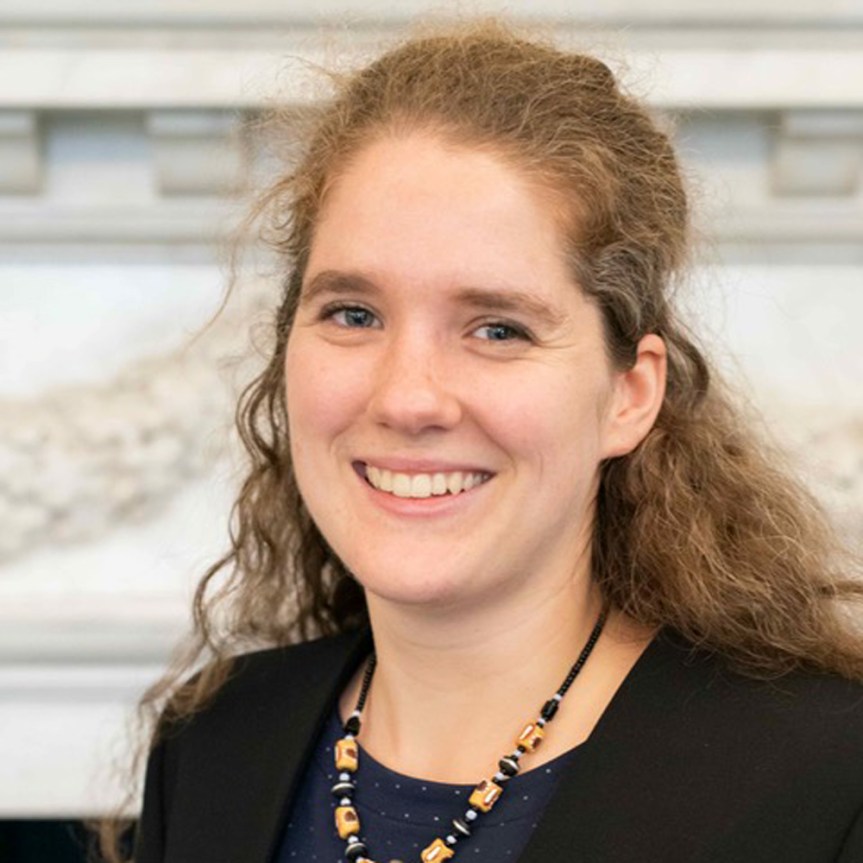
Digital Inclusion in an Unequal World (Episode 22) – Jamie Proctor on “The Right People, Building Things They Understand, and Striving to Deliver Directly for Citizens”

This is the twenty-second episode of our podcast based on the vignettes contributed by friends and colleagues to Tim Unwin’s new book Digital Technologies in an Unequal World: An Empancipatory Manfesto. In it, Jamie Proctor argues that “to serve the needs of the world’s poorest and most marginalised it is essential to systematise … changes towards multidisciplinary teams, delivering iteratively, with a focus on citizens. Otherwise, the potential benefits of digital technology in the public sector will never be realised”.

The full vignette can be read here.

All audio files relating to the book are also available on our podcast with a new episode every week.

Jamie’s background cuts across research, education and technology. He has worked in tech start-ups, across UK Government digital teams, and established a school construction NGO in Malawi. He wrote this contribution whilst seconded to EdTech Hub from FCDO, and maintains keen research interests in the development of climate resilient and sustainable school infrastructure.

Full details of the book are available through the following links:


Other recent episodes

Digital Inclusion in an Unequal World (Episode 22) – Jamie Proctor on “The Right People, Building Things They Understand, and Striving to Deliver Directly for Citizens” ICT4D Collective » ICT4D

Jamie’s background cuts across research, education and technology. He has worked in tech start-ups, across UK Government digital teams, and established a school construction NGO in Malawi. He wrote this contribution whilst seconded to EdTech Hub from FCDO, and maintains keen research interests in the development of climate resilient and sustainable school infrastructure. Full details … Continue reading Digital Inclusion in an Unequal World (Episode 22) – Jamie Proctor on “The Right People, Building Things They Understand, and Striving to Deliver Directly for Citizens”
  1. Digital Inclusion in an Unequal World (Episode 22) – Jamie Proctor on “The Right People, Building Things They Understand, and Striving to Deliver Directly for Citizens”
  2. Digital Inclusion in an Unequal World (Episode 21) – Ettie Unwin on “Crafting a More Equitable Framework for Global Epidemiological Research Practice: Working With Not On”

  3. Digital Inclusion in an Unequal World (Episode 20) – Dato’ Mohamed Sharil Tarmizi on “It’s about what technology can do for society”
  4. Digital Inclusion in an Unequal World (Episode 19) – Revi Sterling on “Retreads: Pushing New Rocks up New Hills”
  5. Digital Inclusion in an Unequal World (Episode 18) – Paul Spiesberger on “Spinning Digital Cotton to Counter Digital Colonialism”

Digital Inclusion in an Unequal World (Episode 21) – Ettie Unwin on “Crafting a More Equitable Framework for Global Epidemiological Research Practice: Working With Not On”
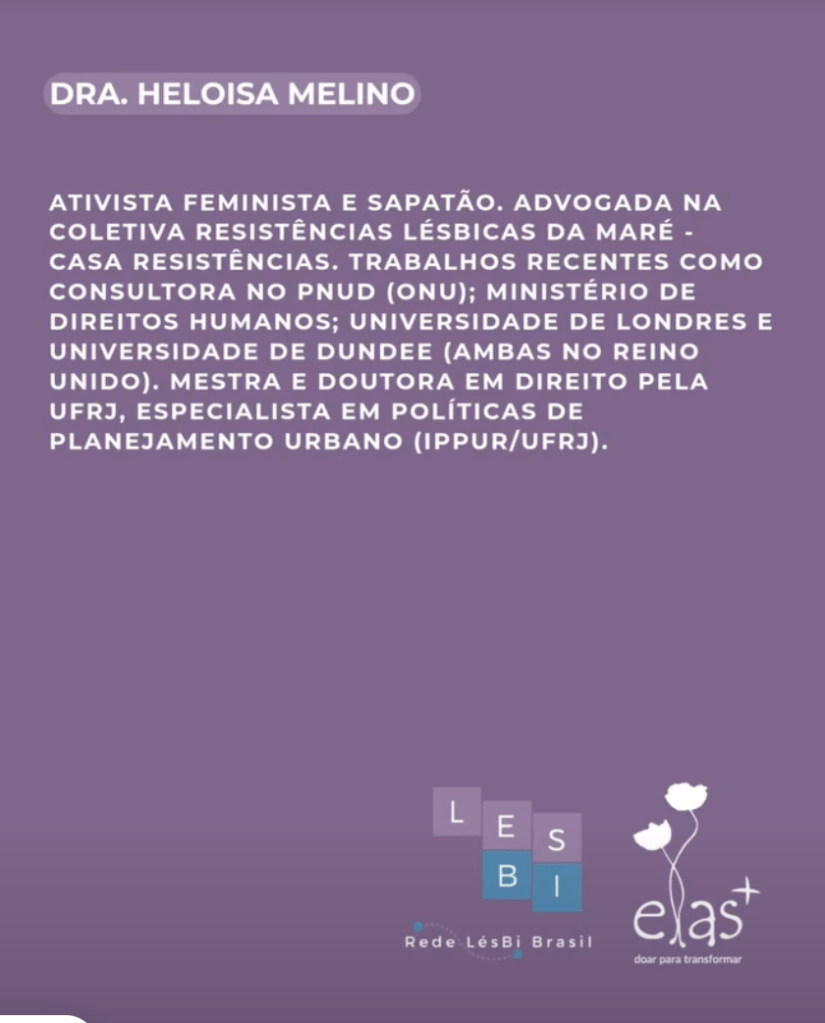
This is the twenty-first episode of our podcast based on the vignettes contributed by friends and colleagues to Tim Unwin’s new book Digital Technologies in an Unequal World: An Empancipatory Manfesto. In it, Ettie Unwin draws on her experience in using statistics and mathematical modelling of infectious diseases to argue powerfully that scientists (and by implication all of us) need to work with rather than on people living in economically poor parts of the world. As she says “Since the global burden of infectious disease is not
equitable, it’s important to help train my future colleagues around the world in methods and tools so they can model transmission themselves”.

The full vignette can be read here.

All audio files relating to the book are also available on our podcast with a new episode every week.

Ettie is a Senior Lecturer in Statistical Science at the University of Bristol where her research focuses on developing methodologies related to infectious disease transmission to improve global public health. She is passionate about co-creating research with partners in areas where the global burden of disease is highest, whilst sharing her technical knowledge when appropriate.

Full details of the book are available through the following links:


Other recent episodes

Digital Inclusion in an Unequal World (Episode 22) – Jamie Proctor on “The Right People, Building Things They Understand, and Striving to Deliver Directly for Citizens” ICT4D Collective » ICT4D

Jamie’s background cuts across research, education and technology. He has worked in tech start-ups, across UK Government digital teams, and established a school construction NGO in Malawi. He wrote this contribution whilst seconded to EdTech Hub from FCDO, and maintains keen research interests in the development of climate resilient and sustainable school infrastructure. Full details … Continue reading Digital Inclusion in an Unequal World (Episode 22) – Jamie Proctor on “The Right People, Building Things They Understand, and Striving to Deliver Directly for Citizens”
  1. Digital Inclusion in an Unequal World (Episode 22) – Jamie Proctor on “The Right People, Building Things They Understand, and Striving to Deliver Directly for Citizens”
  2. Digital Inclusion in an Unequal World (Episode 21) – Ettie Unwin on “Crafting a More Equitable Framework for Global Epidemiological Research Practice: Working With Not On”

  3. Digital Inclusion in an Unequal World (Episode 20) – Dato’ Mohamed Sharil Tarmizi on “It’s about what technology can do for society”
  4. Digital Inclusion in an Unequal World (Episode 19) – Revi Sterling on “Retreads: Pushing New Rocks up New Hills”
  5. Digital Inclusion in an Unequal World (Episode 18) – Paul Spiesberger on “Spinning Digital Cotton to Counter Digital Colonialism”

Heloisa Melino: seminar on “Perspectivas latino-americanas e brasileiras sobre descolonialidade do saber”

Heloisa Melino has been working in recent years together with Hari Harindranath and Tim Unwin on the use of digital technologies by those living on the periferias (peripheries) in the favelas of Rio de Janeiro, especially in Maré. Much of this research-practice has focused on developing resources and providing training on the safe, wise and secure use of digital tech within the LBT communities there, with some of our co-designed resources being launched at the Casa Resistências in Maré in September 2024. More recent activities including a rare dance performance on the use of digital tech by Efeito Urbano in Morro da Providência took place in June/July 2025, funded through Royal Holloway’s Social Science Impact Accelerator (SSIA).

As an extension of this work, Heloisa was granted a Social Science Impact Residency to spend the month of March 2026 based at Royal Holloway, University of London, to explore further collaborations and synergies that will extend our research-practice together and explore new openings for future cooperation. As part of this, she presented a fascinating and thought provoking seminar on Latin American and Brazilian Perspectives on Decoloniality of Knowledge on 12th March, which gave rise to much subsequent discussion

Her slide deck is available below (click on the image), excluding the 4 minute music video (Residente – This is Not America) on Slide 4 which can be accessed from the original on YouTube.

We are most grateful to Heloisa for spending this month with us and look forward to continued research practice with her and those she works with in the favelas of Rio de Janeiro in the years ahead.

Digital Inclusion in an Unequal World (Episode 20) – Dato’ Mohamed Sharil Tarmizi on “It’s about what technology can do for society”

This is the twentieth episode of our podcast based on the vignettes contributed by friends and colleagues to Tim Unwin’s new book Digital Technologies in an Unequal World: An Empancipatory Manfesto. In it, Dato’ Mohamed Sharil Tarmizi draws on his experiences in Malaysia to reflect on what has changed over the last two decades in terms of how and why digital tech is being used, from the days of kedai.com which was seen as being a way to “bridge the digital divide” to the contemporary period when Malaysia is still providing free collective broadband to rural and underserved communities. He concludes that “the technology has evolved and yet inequalities still remain. In the end, it’s never about the technology but it’s about what technology can do for society. Let’s begin by agreeing on the societies we want, then apply the appropriate technologies to make them thrive”.

The full vignette can be read here.

All audio files relating to the book are also available on our podcast with a new episode every week.

Sharil, from Malaysia, trained and practised as a lawyer, became a policy maker, went into corporate finance and then moved on to become a telco regulator and a trade negotiator. Thereafter, got involved in corporate restructuring, automotive, infrastructure and aviation, whilst dabbling in a spot of angel investing, startup mentoring, media and movie making. He is currently serving as the Chairman of the Civil Aviation Authority of Malaysia.

Full details of the book are available through the following links:


Other recent episodes

Digital Inclusion in an Unequal World (Episode 22) – Jamie Proctor on “The Right People, Building Things They Understand, and Striving to Deliver Directly for Citizens” ICT4D Collective » ICT4D

Jamie’s background cuts across research, education and technology. He has worked in tech start-ups, across UK Government digital teams, and established a school construction NGO in Malawi. He wrote this contribution whilst seconded to EdTech Hub from FCDO, and maintains keen research interests in the development of climate resilient and sustainable school infrastructure. Full details … Continue reading Digital Inclusion in an Unequal World (Episode 22) – Jamie Proctor on “The Right People, Building Things They Understand, and Striving to Deliver Directly for Citizens”
  1. Digital Inclusion in an Unequal World (Episode 22) – Jamie Proctor on “The Right People, Building Things They Understand, and Striving to Deliver Directly for Citizens”
  2. Digital Inclusion in an Unequal World (Episode 21) – Ettie Unwin on “Crafting a More Equitable Framework for Global Epidemiological Research Practice: Working With Not On”
  3. Digital Inclusion in an Unequal World (Episode 20) – Dato’ Mohamed Sharil Tarmizi on “It’s about what technology can do for society”
  4. Digital Inclusion in an Unequal World (Episode 19) – Revi Sterling on “Retreads: Pushing New Rocks up New Hills”
  5. Digital Inclusion in an Unequal World (Episode 18) – Paul Spiesberger on “Spinning Digital Cotton to Counter Digital Colonialism”

Digital Inclusion in an Unequal World (Episode 19) – Revi Sterling on “Retreads: Pushing New Rocks up New Hills”

This is the nineteenth episode of our podcast based on the vignettes contributed by friends and colleagues to Tim Unwin’s new book Digital Technologies in an Unequal World: An Empancipatory Manfesto. In it, Revi Sterling reflects on the challenges facing gender digital inclusion, and asks: “I wonder what we did wrong for the last twenty years. Were we ahead of ourselves? Were we just Cassandras warning people about restrictive social norms and technology determinism? It’s a petty bitterness I have. There’s a twinge of resentment when I look at the ‘new’ gender and digital inclusion research agendas – retreads if there ever were. No one has heard of the canon of digital divide research we built. If they have, they say ‘It’s so old!’ but if you don’t address a gaping wound, it doesn’t heal”. She concludes that “‘Development’ now is not about progress; it’s about keeping progress from slipping. Our goal is to hold the gendered rock. The goal of development work now may be maintaining a state – instead of expecting state change – until newer systems evolve to fill the vacuum. We need to be content, even dedicated, to holding the boulder on the steep hillside and not letting it slide”.

The full vignette can be read here.

All audio files relating to the book are also available on our podcast with a new episode every week.

Revi started out elevating women’s voices through technology. This led to positions and programmes helping millions of women use technology to achieve their goals, as well as 20+ years of frustration with donors, governments, peer institutions and rural busses. I will never stop talking about social norms, opportunities, and inequities.

Full details of the book are available through the following links:


Other recent episodes

Digital Inclusion in an Unequal World (Episode 22) – Jamie Proctor on “The Right People, Building Things They Understand, and Striving to Deliver Directly for Citizens” ICT4D Collective » ICT4D

Jamie’s background cuts across research, education and technology. He has worked in tech start-ups, across UK Government digital teams, and established a school construction NGO in Malawi. He wrote this contribution whilst seconded to EdTech Hub from FCDO, and maintains keen research interests in the development of climate resilient and sustainable school infrastructure. Full details … Continue reading Digital Inclusion in an Unequal World (Episode 22) – Jamie Proctor on “The Right People, Building Things They Understand, and Striving to Deliver Directly for Citizens”
  1. Digital Inclusion in an Unequal World (Episode 22) – Jamie Proctor on “The Right People, Building Things They Understand, and Striving to Deliver Directly for Citizens”
  2. Digital Inclusion in an Unequal World (Episode 21) – Ettie Unwin on “Crafting a More Equitable Framework for Global Epidemiological Research Practice: Working With Not On”
  3. Digital Inclusion in an Unequal World (Episode 20) – Dato’ Mohamed Sharil Tarmizi on “It’s about what technology can do for society”
  4. Digital Inclusion in an Unequal World (Episode 19) – Revi Sterling on “Retreads: Pushing New Rocks up New Hills”
  5. Digital Inclusion in an Unequal World (Episode 18) – Paul Spiesberger on “Spinning Digital Cotton to Counter Digital Colonialism”

Digital Inclusion in an Unequal World (Episode 18) – Paul Spiesberger on “Spinning Digital Cotton to Counter Digital Colonialism”

This is the eighteenth episode of our podcast based on the vignettes contributed by friends and colleagues to Tim Unwin’s new book Digital Technologies in an Unequal World: An Empancipatory Manfesto. In it, Paul Spiesberger argues that those who can should switch to Linux OS, support initiatives such as Public Money Public Code, encrypt data, use decentralised Internet services, and dusrupt power structures by demanding policy changes.

The full vignette can be read here.

Audio read by Georg Steinfelder

All audio files relating to the book are also available on our podcast with a new episode every week.

Paul graduated as a computer scientist from TU Wien and is a passionate programmer. He is the operative head of ROTA at INSO, and works with SAI, TU Graz. Since 2014, he has served as the chair of ICT4D.at, and he is a member of the ICT4D Collective.

Full details of the book are available through the following links:


Other recent episodes

Digital Inclusion in an Unequal World (Episode 22) – Jamie Proctor on “The Right People, Building Things They Understand, and Striving to Deliver Directly for Citizens” ICT4D Collective » ICT4D

Jamie’s background cuts across research, education and technology. He has worked in tech start-ups, across UK Government digital teams, and established a school construction NGO in Malawi. He wrote this contribution whilst seconded to EdTech Hub from FCDO, and maintains keen research interests in the development of climate resilient and sustainable school infrastructure. Full details … Continue reading Digital Inclusion in an Unequal World (Episode 22) – Jamie Proctor on “The Right People, Building Things They Understand, and Striving to Deliver Directly for Citizens”
  1. Digital Inclusion in an Unequal World (Episode 22) – Jamie Proctor on “The Right People, Building Things They Understand, and Striving to Deliver Directly for Citizens”
  2. Digital Inclusion in an Unequal World (Episode 21) – Ettie Unwin on “Crafting a More Equitable Framework for Global Epidemiological Research Practice: Working With Not On”
  3. Digital Inclusion in an Unequal World (Episode 20) – Dato’ Mohamed Sharil Tarmizi on “It’s about what technology can do for society”
  4. Digital Inclusion in an Unequal World (Episode 19) – Revi Sterling on “Retreads: Pushing New Rocks up New Hills”
  5. Digital Inclusion in an Unequal World (Episode 18) – Paul Spiesberger on “Spinning Digital Cotton to Counter Digital Colonialism”

Inclusão Digital num Mundo Desigual (Episódio 17) – Fernanda Scur sobre “A Tecnologia Digital e os Desbancarizados: A Pandemia da COVID no Brasil” (Áudio em português)

Este é o décimo sétimo episódio do nosso podcast baseado nas histórias de amigos e colegas que contribuíram para o novo livro de Tim Unwin, Digital Technologies in an Unequal World: An Empancipatory Manfesto. Nele, Fernanda Scur ilustra como “Qualquer solução digital deve… ser complexa e, acima de tudo, ter em conta tanto o contexto a que se destina como as partes interessadas que precisam de estar envolvidas na sua implementação”. Isto é ilustrado pelo exemplo de como “o governo federal brasileiro ofereceu ajuda financeira de emergência a trabalhadores informais e pequenos empresários durante a pandemia de COVID-19 no início da década de 2020”.

A vinheta completa pode ser lida aqui (em inglês).

Todos os ficheiros áudio relacionados com o livro também estão disponíveis no nosso podcast com um novo episódio a cada semana.

Fernanda (do Brasil) é estratega de parcerias multissetoriais, com foco no envolvimento intencional e em ações colaborativas eficazes que impulsionam mudanças sistémicas/estruturais para um impacto social e ambiental positivo. É doutorada em Pensamento Sistémico para Colaboração Ativa e experiência em design de interação, desenvolvimento de projetos, design conceptual e de processos, análise de redes complexas e experiência do utilizador.

A informação completa sobre o livro está disponível nos seguintes links:


Outros episódios recentes

Digital Inclusion in an Unequal World (Episode 22) – Jamie Proctor on “The Right People, Building Things They Understand, and Striving to Deliver Directly for Citizens” ICT4D Collective » ICT4D

Jamie’s background cuts across research, education and technology. He has worked in tech start-ups, across UK Government digital teams, and established a school construction NGO in Malawi. He wrote this contribution whilst seconded to EdTech Hub from FCDO, and maintains keen research interests in the development of climate resilient and sustainable school infrastructure. Full details … Continue reading Digital Inclusion in an Unequal World (Episode 22) – Jamie Proctor on “The Right People, Building Things They Understand, and Striving to Deliver Directly for Citizens”
  1. Digital Inclusion in an Unequal World (Episode 22) – Jamie Proctor on “The Right People, Building Things They Understand, and Striving to Deliver Directly for Citizens”
  2. Digital Inclusion in an Unequal World (Episode 21) – Ettie Unwin on “Crafting a More Equitable Framework for Global Epidemiological Research Practice: Working With Not On”
  3. Digital Inclusion in an Unequal World (Episode 20) – Dato’ Mohamed Sharil Tarmizi on “It’s about what technology can do for society”
  4. Digital Inclusion in an Unequal World (Episode 19) – Revi Sterling on “Retreads: Pushing New Rocks up New Hills”
  5. Digital Inclusion in an Unequal World (Episode 18) – Paul Spiesberger on “Spinning Digital Cotton to Counter Digital Colonialism”

Digital Inclusion in an Unequal World (Episode 17) – Fernanda Scur on “Digital Tech and the Unbanked: The COVID Pandemic in Brazil” (English audio)

This is the seventeenth episode of our podcast based on the vignettes contributed by friends and colleagues to Tim Unwin’s new book Digital Technologies in an Unequal World: An Empancipatory Manfesto. In it, Fernanda Scur illlustrates how “Any digital solution must … be complex and above all take into consideration both the context for which it is intended and the stakeholders that need to be involved in its implementation”. This is illustrated through the example of how “Brazil’s federal government offered financial emergency aid to informal workers and small entrepreneurs during the COVID pandemic in the early 2020s”.

The full vignette can be read here.

All audio files relating to the book are also available on our podcast with a new episode every week.

Fernanda (from Brazil) is a multi-stakeholder partnership strategist, aimed at purposeful engagement and effective collaborative action that drives systemic/structural change for positive social and environmental impact. She holds a PhD in Systems Thinking for Active Collaboration and has experience in interaction design, project development, concept and process design, complex network analysis and user experience

Full details of the book are available through the following links:


Other recent episodes

Digital Inclusion in an Unequal World (Episode 22) – Jamie Proctor on “The Right People, Building Things They Understand, and Striving to Deliver Directly for Citizens” ICT4D Collective » ICT4D

Jamie’s background cuts across research, education and technology. He has worked in tech start-ups, across UK Government digital teams, and established a school construction NGO in Malawi. He wrote this contribution whilst seconded to EdTech Hub from FCDO, and maintains keen research interests in the development of climate resilient and sustainable school infrastructure. Full details … Continue reading Digital Inclusion in an Unequal World (Episode 22) – Jamie Proctor on “The Right People, Building Things They Understand, and Striving to Deliver Directly for Citizens”
  1. Digital Inclusion in an Unequal World (Episode 22) – Jamie Proctor on “The Right People, Building Things They Understand, and Striving to Deliver Directly for Citizens”
  2. Digital Inclusion in an Unequal World (Episode 21) – Ettie Unwin on “Crafting a More Equitable Framework for Global Epidemiological Research Practice: Working With Not On”
  3. Digital Inclusion in an Unequal World (Episode 20) – Dato’ Mohamed Sharil Tarmizi on “It’s about what technology can do for society”
  4. Digital Inclusion in an Unequal World (Episode 19) – Revi Sterling on “Retreads: Pushing New Rocks up New Hills”
  5. Digital Inclusion in an Unequal World (Episode 18) – Paul Spiesberger on “Spinning Digital Cotton to Counter Digital Colonialism”

Digital Inclusion in an Unequal World (Episode 16) – Benita Rowe on “The Tech Will Save Her’ – False Promises in Digital Gender-Based Violence (GBV) Solutions”

This is the sixteenth episode of our podcast based on the vignettes contributed by friends and colleagues to Tim Unwin’s new book Digital Technologies in an Unequal World: An Empancipatory Manfesto. In it, Benita Rowe illustrates how “Digital interventions aimed at preventing or responding to gender-based violence (GBV) have re-emerged in recent years in cyclical form, each positioned as a world-first innovation”. Yet, she argues that “Despite differences in format, these interventions often replicate a flawed set of design assumptions that consistently fail to
account for lived realities”.

The full vignette can be read here.

All audio files relating to the book are also available on our podcast with a new episode every week.

Benita (originally from Australia) designs and advises on digital strategies with a focus on service delivery in humanitarian and conflict-affected settings. Over nearly two decades, she has worked across crisis preparedness and response, to education and health, supporting system resilience in more than 17 countries, in collaboration with UN agencies, international organisations, private-sector and industry actors, local organizations, and foundations.

Full details of the book are available through the following links:


Other recent episodes

Digital Inclusion in an Unequal World (Episode 22) – Jamie Proctor on “The Right People, Building Things They Understand, and Striving to Deliver Directly for Citizens” ICT4D Collective » ICT4D

Jamie’s background cuts across research, education and technology. He has worked in tech start-ups, across UK Government digital teams, and established a school construction NGO in Malawi. He wrote this contribution whilst seconded to EdTech Hub from FCDO, and maintains keen research interests in the development of climate resilient and sustainable school infrastructure. Full details … Continue reading Digital Inclusion in an Unequal World (Episode 22) – Jamie Proctor on “The Right People, Building Things They Understand, and Striving to Deliver Directly for Citizens”
  1. Digital Inclusion in an Unequal World (Episode 22) – Jamie Proctor on “The Right People, Building Things They Understand, and Striving to Deliver Directly for Citizens”
  2. Digital Inclusion in an Unequal World (Episode 21) – Ettie Unwin on “Crafting a More Equitable Framework for Global Epidemiological Research Practice: Working With Not On”
  3. Digital Inclusion in an Unequal World (Episode 20) – Dato’ Mohamed Sharil Tarmizi on “It’s about what technology can do for society”
  4. Digital Inclusion in an Unequal World (Episode 19) – Revi Sterling on “Retreads: Pushing New Rocks up New Hills”
  5. Digital Inclusion in an Unequal World (Episode 18) – Paul Spiesberger on “Spinning Digital Cotton to Counter Digital Colonialism”

Digital Inclusion in an Unequal World (Episode 15) – Nimmi Rangaswamy on “Social, Shared and Sustainable: Whatever Happened to the Community Internet?”

This is the fifteenth episode of our podcast based on the vignettes contributed by friends and colleagues to Tim Unwin’s new book Digital Technologies in an Unequal World: An Empancipatory Manfesto. In it, Nimmi Rangaswamy concludes that “What was once imagined as a shared, empowering infrastructure has become a personalised, pay-per-use playground — curated for binge and scroll rather than community or collective good. The Internet in India today is more a screen in the palm than a shared window. It entertains more than it empowers, and connects more to content than to community”.

The full vignette can be read here.

All audio files relating to the book are also available on our podcast with a new episode every week.

Nimmi is a Professor at the Kohli Centre on Intelligent Systems, IIIT, Hyderabad. She teaches on the society-technology interface, bringing an anthropological perspective to explore the impacts of AI. Her research in Human-Computer Interaction foregrounds local practices of technology diffusion and how communities engage with digital systems — through sharing, learning, training, and adaptation

Full details of the book are available through the following links:


Other recent episodes

Digital Inclusion in an Unequal World (Episode 22) – Jamie Proctor on “The Right People, Building Things They Understand, and Striving to Deliver Directly for Citizens” ICT4D Collective » ICT4D

Jamie’s background cuts across research, education and technology. He has worked in tech start-ups, across UK Government digital teams, and established a school construction NGO in Malawi. He wrote this contribution whilst seconded to EdTech Hub from FCDO, and maintains keen research interests in the development of climate resilient and sustainable school infrastructure. Full details … Continue reading Digital Inclusion in an Unequal World (Episode 22) – Jamie Proctor on “The Right People, Building Things They Understand, and Striving to Deliver Directly for Citizens”
  1. Digital Inclusion in an Unequal World (Episode 22) – Jamie Proctor on “The Right People, Building Things They Understand, and Striving to Deliver Directly for Citizens”
  2. Digital Inclusion in an Unequal World (Episode 21) – Ettie Unwin on “Crafting a More Equitable Framework for Global Epidemiological Research Practice: Working With Not On”
  3. Digital Inclusion in an Unequal World (Episode 20) – Dato’ Mohamed Sharil Tarmizi on “It’s about what technology can do for society”
  4. Digital Inclusion in an Unequal World (Episode 19) – Revi Sterling on “Retreads: Pushing New Rocks up New Hills”
  5. Digital Inclusion in an Unequal World (Episode 18) – Paul Spiesberger on “Spinning Digital Cotton to Counter Digital Colonialism”

Guidance for safe, wise and secure use of digital tech by small organisations in Nepali

Following Prof. G. ‘Hari’ Harindranath’s recent research-practice visit to Nepal in January, we are delighted to share the Nepali version of our free guidance notes on the safe, wise and secure use of digital technologies for small, particularly civil society, organisations. This builds on our previous cyber-security related work, and is one of the outputs from our productive partnership with ACORAB. Its main sections are on:

  • What is of most importance to you? Plan to protect
  • Know the sorts of attack that you are likely to encounter
  • Your staff: highest risk, and first line of defence
  • Data Security and Management
  • Your Organisation’s Digital Systems
  • Your Website
  • Social Media
  • E-mails

The report concludes with six main recommendations for small civil society organisations:

Digital Inclusion in an Unequal World (Episode 14) – Nnenna Nwakanma on “Working WITH, not FOR”

This is the fourteenth episode of our podcast based on the vignettes contributed by friends and colleagues to Tim Unwin’s new book Digital Technologies in an Unequal World: An Empancipatory Manfesto. In it, Nnenna Nwakanma tells the story of her experiences having asked to visit a “school that the media has touted as the ‘model’” of good use of digital tech in education in a West African country. As she notes, “I needed to see things for myself, where the rubber hits the road. I also refused any ‘official’ or ‘media-related’ accompaniment”. The vignette reports on the schocks she encountered when she visited. As she concludes “When are we going to stop working FOR stakeholders and start working WITH them?”

The full vignette can be read here.

All audio files relating to the book are also available on our podcast with a new episode every week.

Nnenna from the internet’ is a voice for systemic policy changes for development through open, rights-based and human-centred technology. She is a champion for empowering internet and information access, freedom of expression, open data, open government, and the open web. She was proclaimed as one of the 100 Most Influential Africans of 2021 (Côte d’Ivoire)

Full details of the book are available through the following links:


Other recent episodes

Digital Inclusion in an Unequal World (Episode 22) – Jamie Proctor on “The Right People, Building Things They Understand, and Striving to Deliver Directly for Citizens” ICT4D Collective » ICT4D

Jamie’s background cuts across research, education and technology. He has worked in tech start-ups, across UK Government digital teams, and established a school construction NGO in Malawi. He wrote this contribution whilst seconded to EdTech Hub from FCDO, and maintains keen research interests in the development of climate resilient and sustainable school infrastructure. Full details … Continue reading Digital Inclusion in an Unequal World (Episode 22) – Jamie Proctor on “The Right People, Building Things They Understand, and Striving to Deliver Directly for Citizens”
  1. Digital Inclusion in an Unequal World (Episode 22) – Jamie Proctor on “The Right People, Building Things They Understand, and Striving to Deliver Directly for Citizens”
  2. Digital Inclusion in an Unequal World (Episode 21) – Ettie Unwin on “Crafting a More Equitable Framework for Global Epidemiological Research Practice: Working With Not On”
  3. Digital Inclusion in an Unequal World (Episode 20) – Dato’ Mohamed Sharil Tarmizi on “It’s about what technology can do for society”
  4. Digital Inclusion in an Unequal World (Episode 19) – Revi Sterling on “Retreads: Pushing New Rocks up New Hills”
  5. Digital Inclusion in an Unequal World (Episode 18) – Paul Spiesberger on “Spinning Digital Cotton to Counter Digital Colonialism”